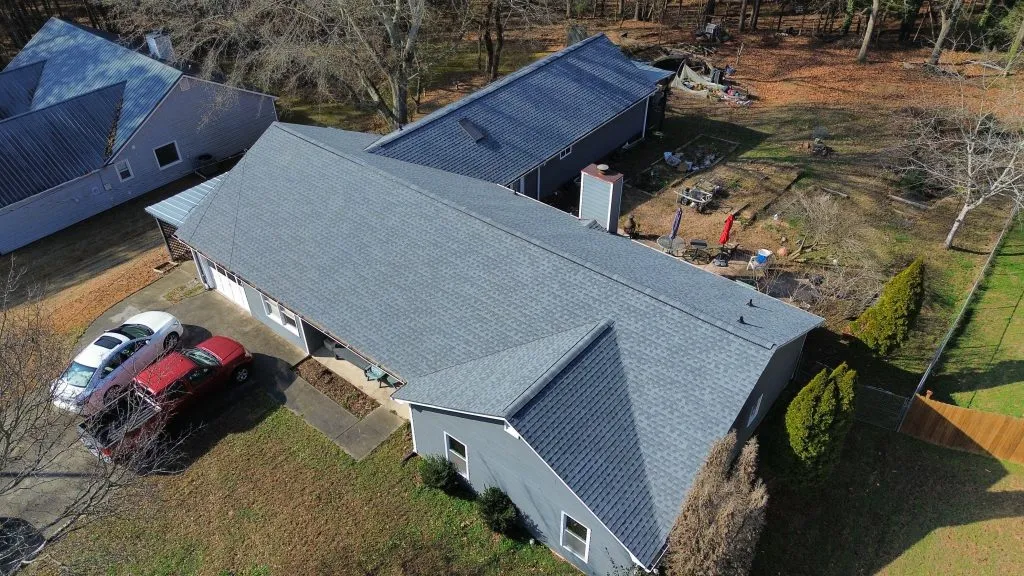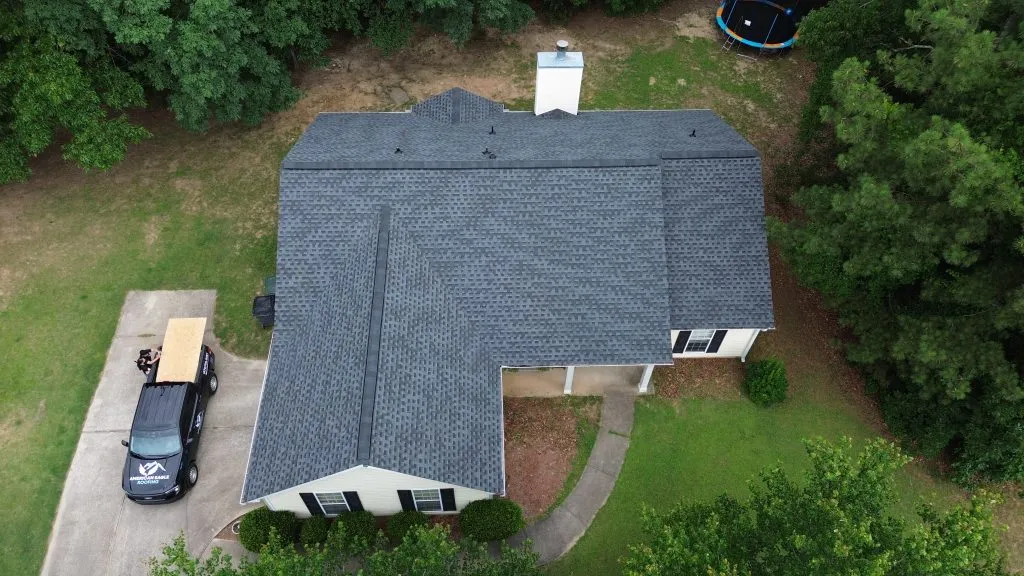

Many homeowners assume that if their roof isn’t leaking, everything is fine. Unfortunately, storm damage isn’t always obvious — wind and hail can compromise your roof’s integrity long before water enters your home. If your property has experienced severe weather over the past year, here are five signs your roof may qualify for an insurance claim. Keep in mind that coverage decisions are always made by your insurance company.
1. Missing or Lifted Shingles
One of the most common signs of wind damage is missing shingles. But shingles don’t have to be completely missing to be damaged — strong winds can lift shingles and break the seal that keeps them attached. Once that happens, the shingle becomes more vulnerable to future storms and water intrusion. A professional inspection can identify wind damage that isn’t visible from the ground.
2. Creased or Bent Shingles
Wind-damaged shingles often develop visible creases where the shingle was bent by strong gusts. These creases weaken the shingle and can significantly reduce its lifespan. Because they can be difficult to spot, a roof inspection is the safest way to determine whether damage exists.
3. Bruises or Impact Marks From Hail
Hail can leave behind bruises, fractures, or impact marks on shingles. While these may appear minor, they can shorten the life of your roofing system and increase the likelihood of leaks. Even small hailstones can cause significant roof damage depending on wind speed and roof age.
4. Excessive Granule Loss
Asphalt shingles are coated with protective granules that shield them from UV rays and weather. After a storm, excessive granules in your gutters or around downspout exits may indicate the shingles sustained damage. Granule loss accelerates roof deterioration and often accompanies hail-related impacts.
5. Neighborhood-Wide Storm Activity
One of the biggest indicators of storm damage is activity in your neighborhood. If several homes nearby have recently had insurance-approved roof replacements, your home may have been affected by the same storm event — storm damage typically occurs across a broad area rather than affecting a single property.
Don’t Let Time Work Against You
Many insurance policies have time limitations for reporting storm damage. Waiting months, or even years, can make the claims process more difficult. The sooner potential damage is identified, the easier it is to document conditions and determine whether coverage may apply.
Not sure if your roof qualifies? Call (470) 706-5057 or request a free roof inspection, and we’ll document what we find. To understand how we support you through the process, see our storm damage restoration services.